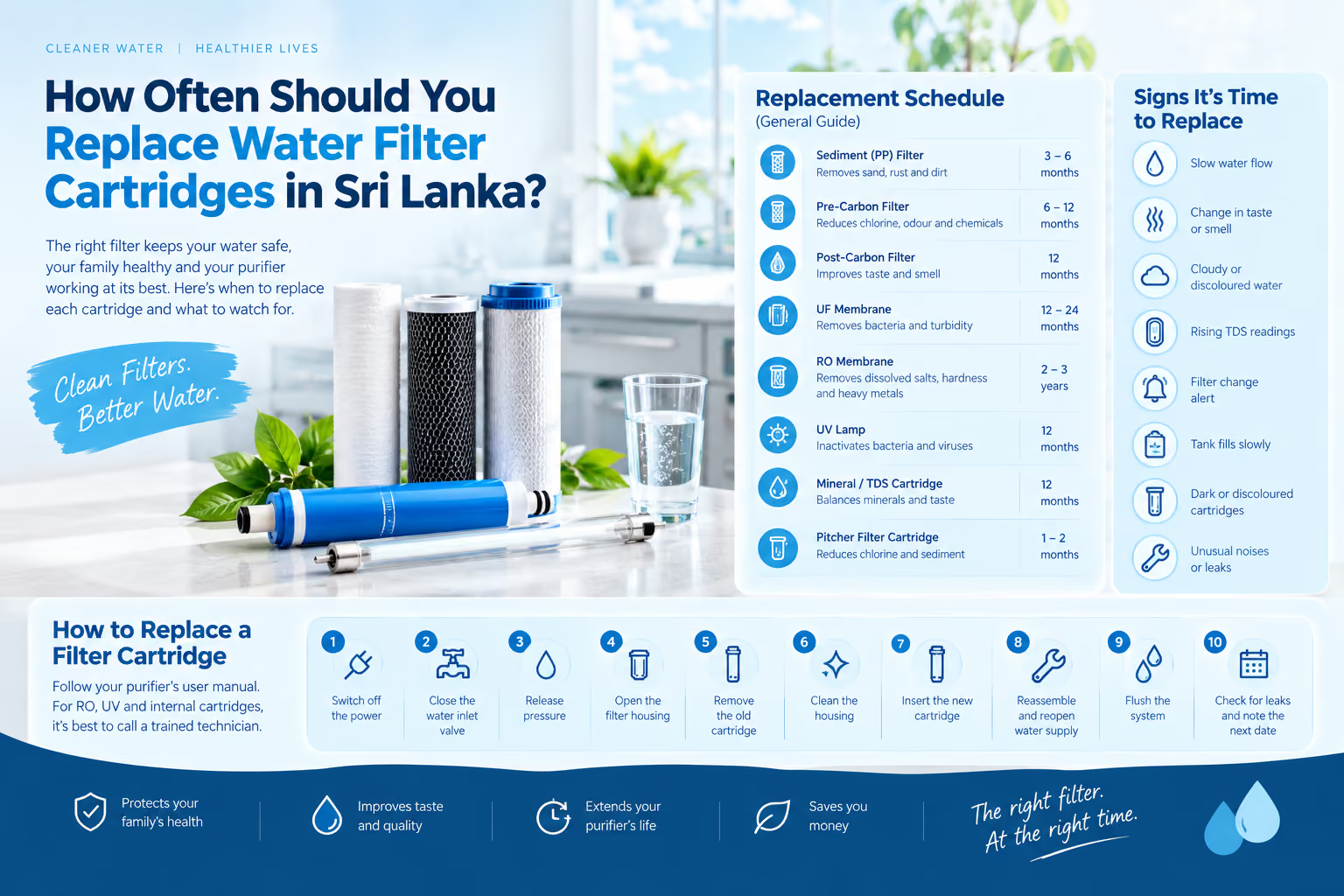
A water purifier is only as good as the cartridges inside it. Many families in Sri Lanka invest in a quality purifier but forget about replacing filters until the water starts tasting strange or the flow slows to a trickle. By then, the filters may have stopped protecting you for weeks or even months. In this guide, Purehydro explains how often you should replace each type of water filter cartridge, the warning signs to watch for, and how Sri Lankan water conditions affect replacement timing.
When it comes to How Often Should You Replace Water Filter Cartridges, most cartridges need replacing every 6 to 12 months. As a general guide, sediment filters last 3 to 6 months, carbon filters 6 to 12 months, UV lamps around 12 months, UF membranes 1 to 2 years, and RO membranes 2 to 3 years. Well water, high TDS, heavy usage, and monsoon-season turbidity can shorten these timelines. Always follow your purifier manufacturer's recommendations.
These are general guidelines. Actual replacement times vary based on water quality, daily usage, and purifier model.
The sediment filter is the first line of defence, trapping sand, mud, rust, and particles. Because it collects the most dirt, it usually needs replacing first. Homes using well water often need to replace it more frequently.
Activated carbon reduces chlorine, bad smells, and certain chemicals. Once the carbon becomes saturated, it stops working and can even become a breeding ground for bacteria, so timely replacement is important.
Ultrafiltration membranes physically block bacteria and cysts. Over time, trapped particles clog the membrane pores and reduce water flow. Popular UF + carbon purifiers rely on this membrane staying clean and effective.
The RO membrane removes dissolved solids, hardness, fluoride, and heavy metals. It lasts longer than other cartridges when pre-filters are changed on time, but high-TDS well water can shorten its life significantly.
A UV lamp can still glow even after it has lost its germ-killing strength. That is why UV lamps should be replaced on schedule rather than waiting for them to stop lighting up.
Always check your purifier's user manual first, as steps vary by model.
Important: RO membranes, UV lamps, and internal cartridges are best replaced by a trained technician to avoid leaks, damage, or warranty issues.
Old cartridges stop removing contaminants and may allow bacteria, chemicals, and sediment to pass into your drinking water. Saturated carbon filters can encourage bacterial growth, clogged pre-filters can damage expensive RO membranes, and the purifier works harder, leading to more breakdowns and higher repair costs.
Clean rooftop water tanks regularly, install a pre-filter for well water, change sediment filters on time to protect RO membranes, avoid running purifiers without water supply, and schedule regular professional servicing. Choosing a purifier suited to your water source also prevents premature wear. For example, an RO water purifier with TDS control is better suited to high-TDS well water than a basic filter.
Usually 2 to 3 years with proper maintenance. In areas with hard or high-TDS well water, it may need replacing sooner.
Some sediment filter housings can be rinsed, but most cartridges, especially carbon and RO membranes, are not designed to be cleaned and reused. Replacement is the safer option.
Most water filter pitcher cartridges need replacing every 1 to 2 months, depending on usage and the manufacturer's recommended capacity.
A glowing lamp does not guarantee effectiveness. Replace UV lamps about once a year, or as recommended by the manufacturer.
Yes. Genuine cartridges fit correctly, meet performance standards, and help maintain your warranty.
How often should household water filters be replaced? Most household filter cartridges should be replaced every 6 to 12 months, depending on usage and water quality.
Does well water require more frequent filter changes? Yes. Well water often contains more sediment, iron, and hardness, which clog filters faster.
What is the first filter that needs replacing? The sediment pre-filter usually needs replacing first because it traps the most dirt.
Is a service contract worth it for water purifiers? Regular professional servicing ensures filters are changed on time and helps extend the life of your purifier.
Can I replace RO membranes myself? It is recommended to have RO membranes replaced by a trained technician to avoid leaks and damage.
Purehydro provides trusted Purehydro and Kent water purification solutions across Sri Lanka, from simple pitchers and under-sink filters to advanced RO + UV + UF systems and industrial RO plants. We help homes, offices, schools, hospitals, hotels, and factories choose the right purifier for their water source, with professional installation for select models, warranty coverage, and expert advice on maintenance.
Replacing water filter cartridges on time is one of the simplest ways to protect your family's health and extend the life of your purifier. Contact Purehydro today for expert advice on filter replacement, maintenance, and the right water purification solution for your home or business.