Most water filters don't fail dramatically — they decline gradually. And because the changes happen slowly, many households continue using a filter that's no longer working properly without realising it. Knowing the signs your water filter needs servicing is one of the most practical things a homeowner can do to protect both their family's drinking water and the long-term performance of their filtration system.
This guide covers the seven clearest warning signs to watch for, explains what each one means, and walks through exactly what to do when you spot them.
A filter that's overdue for servicing may no longer be removing contaminants effectively — bacteria can establish in stagnant media, exhausted carbon lets chlorine and organic compounds through, and worn membranes pass dissolved particles that should have been blocked. Addressing these signs early is almost always cheaper than dealing with the consequences of ignoring them, and the stakes here are the quality of water your household drinks every day.
One of the earliest signs your water filter needs servicing is a significant drop in flow from the filter tap. Accumulated sediment, mineral deposits, and particulate matter clog cartridges over time, restricting the passage of water until what was once a strong flow becomes noticeably slow.
What to do: Check when cartridges were last replaced — if overdue, replacement is almost always the fix. If flow remains low after a fresh cartridge, a professional inspection of the membrane or pressure components is needed.
If filtered water has developed a chlorine flavour, musty note, or flat quality it didn't have before, the carbon filter is exhausted and no longer absorbing the compounds it was designed to remove. Carbon filters have a finite capacity — once reached, chlorine and taste-affecting substances pass straight through.
What to do: Replace carbon cartridges immediately. If the unusual taste persists after the change, the storage tank may need sanitizing or the RO membrane replacing — both require professional attention.
A musty, sulfurous, or stale smell from the water or filter unit indicates either an exhausted carbon filter no longer removing odor-causing compounds, or bacterial growth within the system or storage tank — one of the more serious signs requiring prompt attention.
What to do: Replace carbon cartridges first. If odor persists, have the storage tank and internal components professionally sanitized without delay.
Filtered water should be clear. If you notice visible particles, cloudiness, or any turbidity in water from your filter, the sediment pre-filter has either failed or is long overdue for replacement — and particulate matter that should have been caught is passing through to the output.
In RO systems, cloudiness can also occasionally appear when a new membrane is first installed and needs to be flushed. Outside of this initial period, cloudy output is a warning sign that needs immediate attention.
What to do: Replace the sediment filter cartridge. If cloudiness continues after replacement, a professional inspection of the full filtration sequence — including the membrane — is required.
When an RO or UV system's components are overdue for servicing, the unit works harder to maintain output. A filter no longer removing dissolved solids effectively can also lead to increased reliance on bottled water or boiling — both of which add cost. UV lamps have a finite effective lifespan and should be checked if your system includes UV purification.
What to do: Cross-reference electricity usage with your filter servicing history and schedule a professional service if the system is overdue. Have the UV lamp inspected if your system includes UV purification.
If the indicator light is on and hasn't been reset — or if cartridges haven't been changed in more than 12 months — the system is almost certainly overdue. These indicators exist because filter performance doesn't decline on a visually obvious schedule; the light signals that purification is likely compromised.
What to do: Replace cartridges and reset the indicator per your system's manual. If the light can't be reset after the correct procedure, contact your supplier or a professional technician.
While some sounds are normal in water filter systems — particularly RO units, which gurgle when refilling their storage tank and produce a slight hissing from the drain line during filtration — new, persistent, or unusual sounds are worth paying attention to.
A constant dripping from the drain line, a loud or continuous hissing, banging in the supply lines, or grinding sounds can indicate a pressure imbalance, a failing check valve, a ruptured storage tank bladder, or a build-up of air in the lines — none of which resolve themselves without intervention.
What to do: Distinguish between normal operational sounds and new or changed sounds. If the noise is new, persistent, or significantly louder than usual, contact a professional for an inspection rather than continuing to use the system without investigation.
Most water filter issues worsen over time, not improve. Noticing a sign and waiting to see if it resolves itself is the most common — and most costly — mistake.
Before calling a technician, confirm when cartridges were last replaced. A significant number of the signs above resolve directly with an overdue cartridge change.
Replace overdue cartridges and flush the system for several minutes before resuming use, to clear carbon fines and purge air from the lines.
Some signs — particularly taste and minor flow changes — normalize within the first few days after a fresh cartridge is installed. Give the system a short settling period before concluding the issue persists.
Leaking, persistent noise, visible contamination, or signs that don't resolve after cartridge replacement require professional assessment. Membrane replacement, tank sanitization, and pressure repairs need certified technicians.
If the system is older, has recurring issues, or repair costs are approaching the price of a new unit, replacement may be the better long-term decision. PureHydro's range of water purifiers gives a clear view of current options across different budgets and household sizes.
Once resolved, set reminders for cartridge replacement and annual professional servicing — so these signs don't recur due to overlooked maintenance.
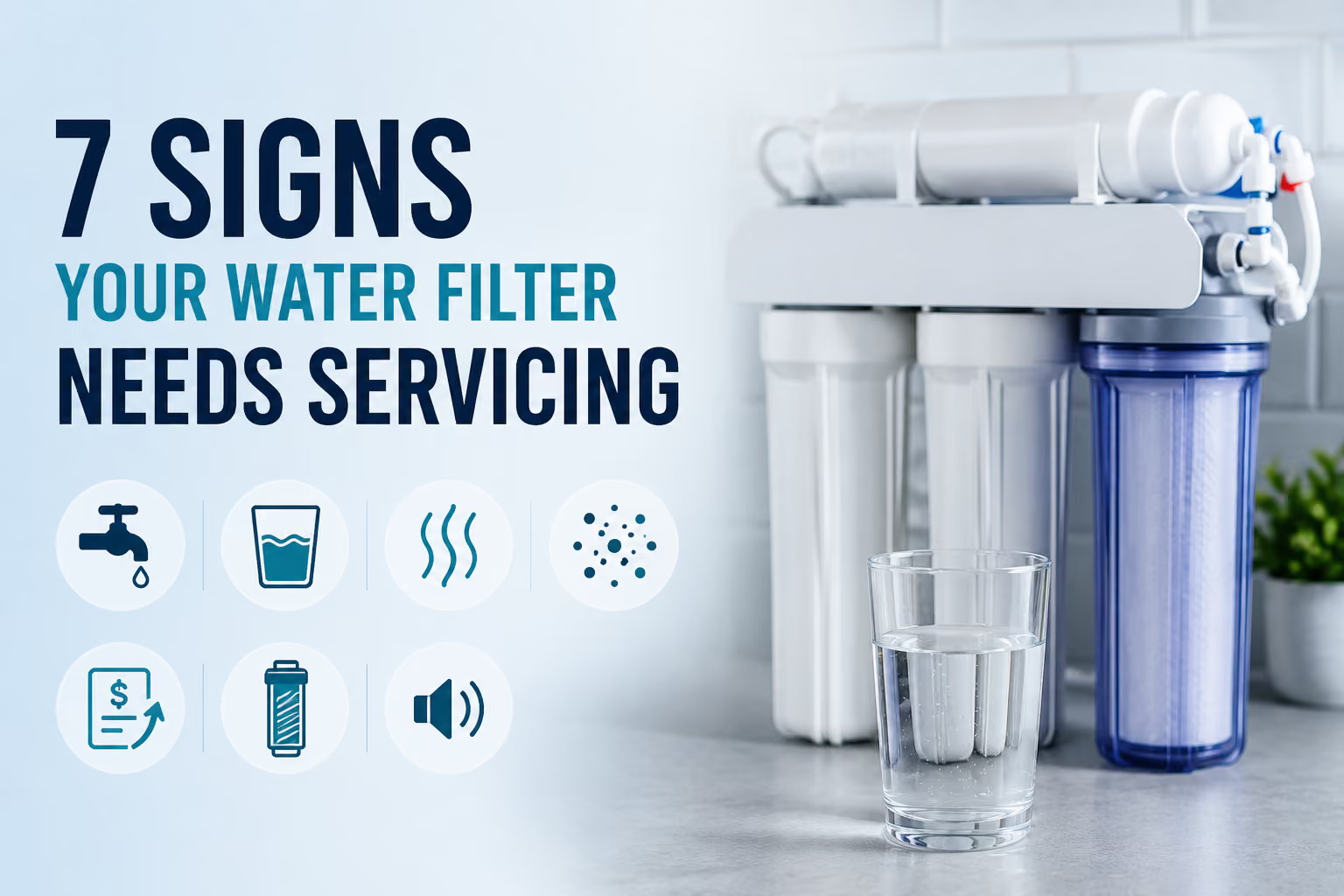
1. What are the signs your water filter needs servicing or replacement? The seven clearest signs are reduced water flow, unusual taste, unpleasant odor, visible sediment or cloudiness, an unexplained rise in electricity costs, an indicator light on or overdue, and new or unusual noises from the system.
2. How often should cartridges be replaced to avoid these signs? Every 6 to 12 months depending on usage and water quality. Sticking to the recommended schedule prevents most warning signs from developing.
3. Can I fix these signs myself or do I need a professional? Cartridge replacement, indicator resets, and flushing are within most homeowners' ability. Persistent taste or odor after a cartridge change, leaks, unusual noises, and membrane or tank issues require professional attention.
4. What does it mean if filtered water smells bad? Either the carbon filter is exhausted or there is bacterial growth within the system. Replace cartridges immediately — if the odor persists, have the tank and internal components professionally sanitized.
5. Is it safe to keep using a filter when these signs appear? Not advisable. A filter showing these signs may no longer be purifying effectively. Using bottled water temporarily while the issue is investigated is the safer approach.
6. When should I replace my water filter rather than service it? When recurring problems can't be resolved through cartridge replacement, when the membrane or storage tank has failed, or when repair costs approach the price of a new system.
The signs your water filter needs servicing are your system's way of communicating that it needs attention — and the earlier you respond, the simpler and cheaper the fix almost always is. From slow flow and unusual taste to overdue indicator lights and persistent noises, each of these signs has a clear cause and a practical solution.
PureHydro supplies, installs, and supports water filtration systems for homes, offices, and businesses across Sri Lanka — with genuine replacement parts and professional service support whenever your system needs attention.
Noticed one of these signs or unsure when your filter was last serviced? Get in touch with our team for an honest assessment and practical next steps.